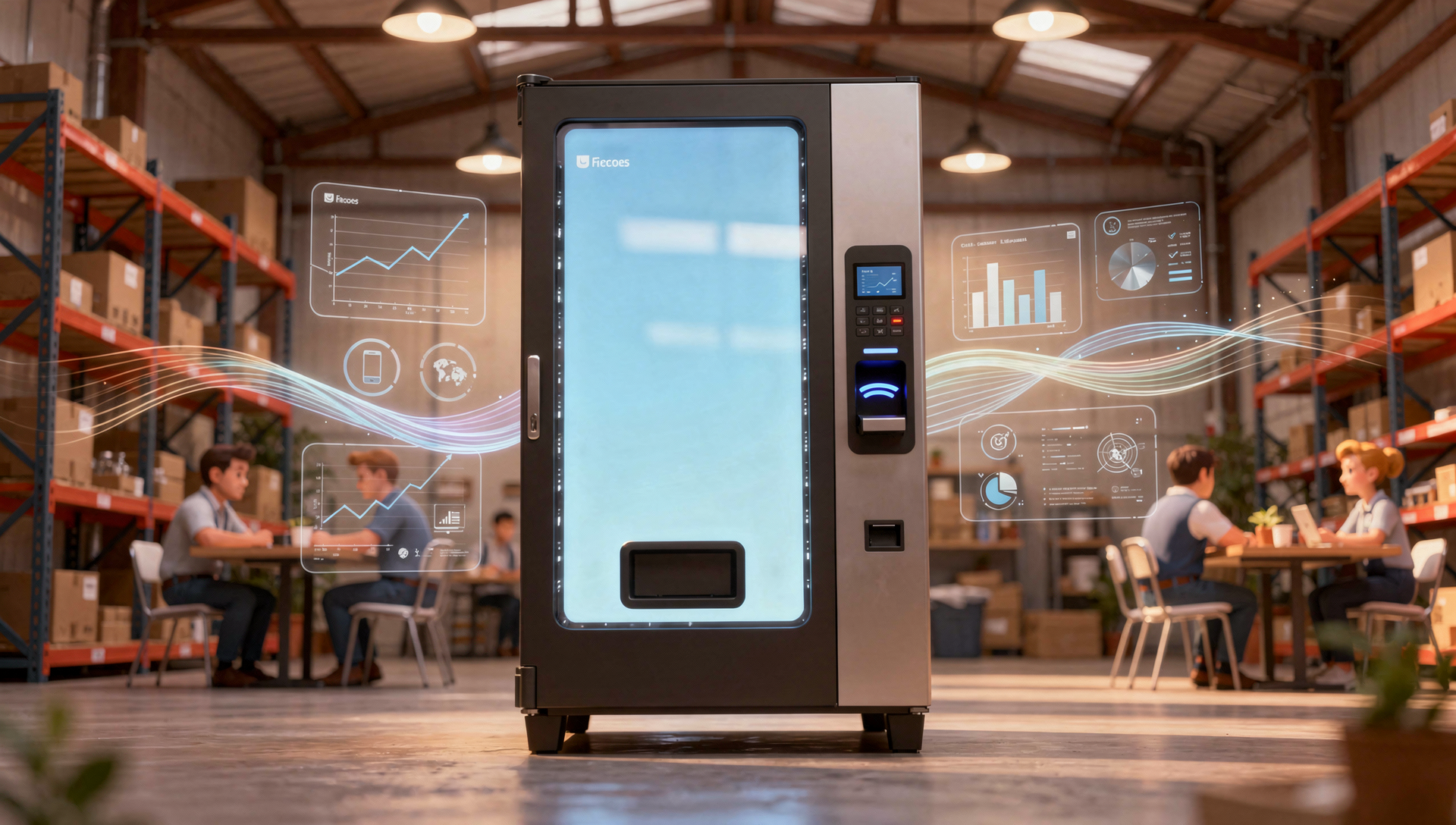
How I Used to Run My Vending Business
When I first started in the vending machine business, everything was manual.
I stocked what I thought would sell. I visited machines on a set schedule whether they needed service or not. I tracked money by emptying the cash box and moving on to the next location.
For a while, that system worked.
But once I added more machines, I realized something important. I was spending more time reacting than managing. I was guessing more than measuring. And that guesswork was quietly affecting my vending machine profits.
That is when I began paying attention to AI vending machines and smart vending technology. Not because it sounded impressive, but because I needed better control.
AI Took the Guesswork Out of My Product Decisions
Early on, I believed I understood what customers wanted. Sometimes I was right. Other times I was wrong and did not realize it until weeks later.
Certain products would sit too long. Some rows barely moved. I was losing margin slowly without seeing the full picture.
Smart vending machines changed that.
When you can see exactly what is selling, how often it sells, and at what time of day it moves, your decision making improves. You stop relying on memory and start relying on data.
I began adjusting inventory faster. I replaced slow movers sooner. I paid attention to patterns. For example, energy drinks moved early in the week. Larger snacks sold better in warehouse environments. Healthier items performed well in office settings.
Those adjustments increased turnover. Increased turnover protects cash flow. And steady improvements build a stronger vending machine business over time.

Remote Monitoring Changed How I Manage My Time
Before using IoT vending systems, I would drive to locations simply to check on machines. Many times, the machine did not need much service at all.
That meant fuel costs, time spent driving, and unnecessary wear on my vehicle.
Once I upgraded to machines with remote monitoring, I gained visibility. I could see low inventory alerts. I could receive notifications about temperature issues. I could identify payment errors without waiting for a complaint.
Instead of guessing when to visit a location, I started servicing based on actual need.
That improved efficiency. It reduced wasted trips. It also increased machine uptime. Locations noticed the difference because problems were addressed faster.
Efficiency directly affects vending machine profits. It may not be dramatic in one week, but over months and years it compounds.
Cashless Payments Increased My Sales Immediately
I hesitated before installing cashless readers. I assumed most customers still carried cash.
That assumption cost me sales.
After adding cashless options to my vending machines, I saw a measurable difference. More transactions happened because customers could tap their card or phone without hesitation.
In many workplaces, especially offices and distribution centers, people expect contactless payments. If your machine only accepts bills and coins, some customers simply walk away.
Cashless vending machines remove friction. Removing friction increases purchases. Increasing purchases increases revenue.
It really is that simple.

Smart Technology Also Changed How I Present My Business
This is something new operators often overlook.
When I approach a potential location now, I explain that my machines are remotely monitored, fully cashless, and data driven. I talk about service reliability and product optimization.
That conversation feels different from simply offering to place a snack machine.
Decision makers see structure. They see systems. They see professionalism.
Smart vending technology strengthens your pitch. It shows that you are serious about your vending machine business. That positioning makes it easier to secure service agreements and maintain long term placements.
Internal Linking Suggestions for Big City Vending
When publishing this article, consider linking to the following posts on your site:
Link to “Why Every Vending Machine Operator Needs a Service Agreement” using anchor text such as vending machine service agreement.
Link to “The One Question I Now Ask Before Placing Any Machine” using anchor text such as choosing the right vending machine location.
Link to “Your Vending Machine Isn’t Broken, Your Product Selection Is” using anchor text such as optimizing vending machine product mix.
These posts reinforce the foundation that smart vending technology builds on.
Is Smart Vending Technology Worth the Investment
Smart vending machines do cost more upfront.
But I had to ask myself a different question. How much was inefficiency costing me?
Expired inventory reduces profit. Missed cashless sales reduce revenue. Extra service trips increase expenses. Poor visibility slows growth.
When I looked at those factors honestly, investing in smart vending technology made sense.
You do not need to replace every machine at once. Upgrade your strongest locations first. Let improved revenue support future upgrades. Grow with intention instead of rushing.
Final Thoughts From Experience
The vending machine industry in 2026 is not disappearing. It is evolving.
Operators who track data, adopt smart vending machines, and build structured systems will grow steadily. Operators who ignore technology will find themselves working harder for the same or lower returns.
From my experience, this business rewards structure. It rewards attention to detail. It rewards those who treat it seriously.
AI vending machines are not about trends. They are about control, efficiency, and long term profit.
And long term profit is what builds a real vending machine business.


