Welcome to Part Five of our six part series on vending machine location strategy. Each Friday, we’ve been unpacking the realities behind some of the most talked about vending placements in the industry from luxury apartments to manufacturing facilities. If you’re new here, here’s what we’ve already covered:
- ✅ June 6 – Luxury Apartment Complexes: Upscale perks, variable sales, and referral goldmines.
- ✅ June 13 – Hotels & Motels: Dependable margins, unpredictable usage, and the power of front-desk rapport.
- ✅ June 20 – School Teacher’s Lounges: Tight-knit, low-volume placements with surprising ROI and referral potential.
- ✅ June 27 – Manufacturing Plants & Warehouses: Steady blue-collar demand, shift-driven traffic, and high consistency.
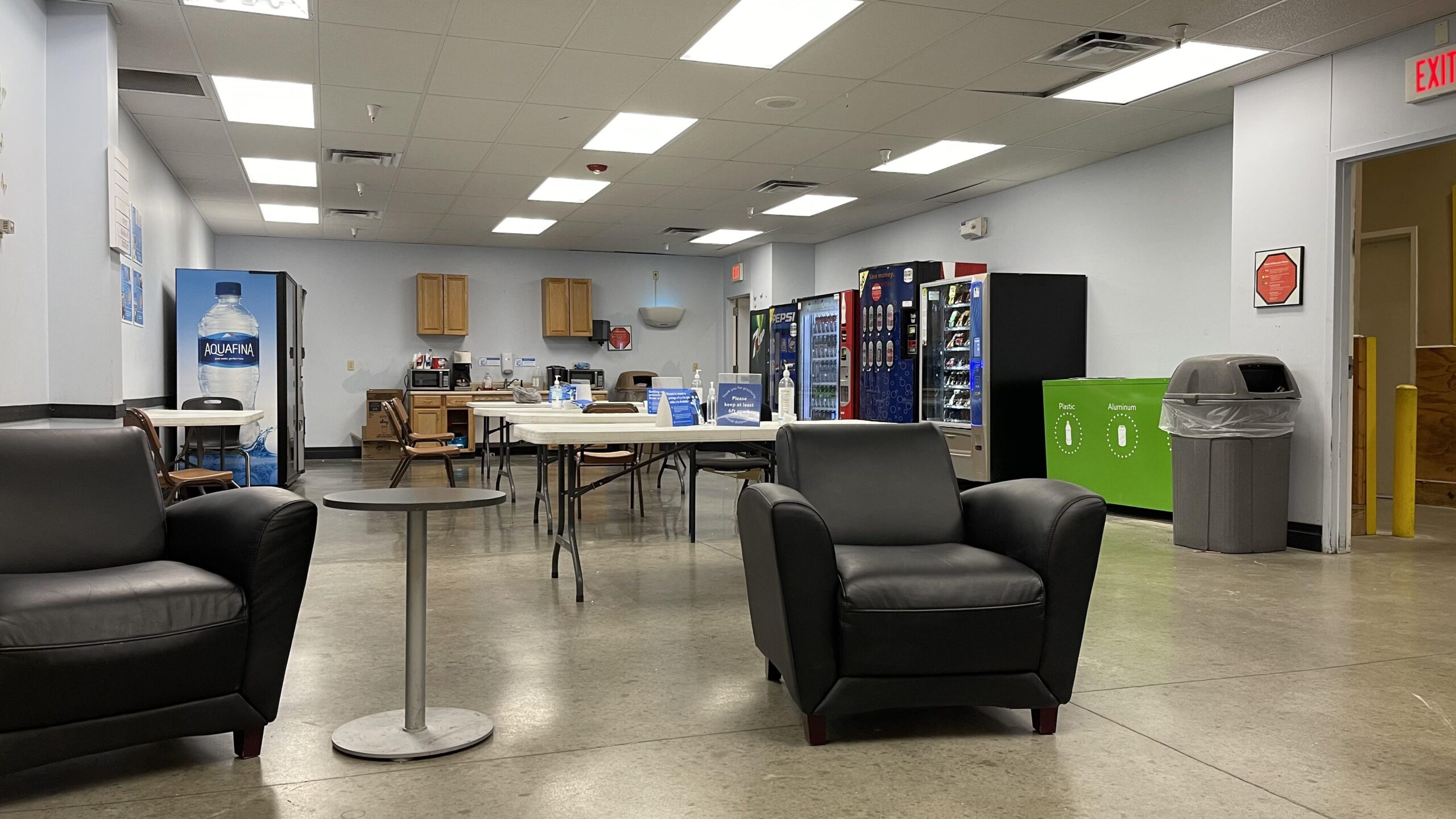
This week July 4, 2025 we turn our focus to a placement that often goes under the radar: employee breakrooms inside department stores and retail centers.
This article is for vending professionals targeting store associates and management teams, not the general public. If you’ve been considering retail centers as part of your vending route, this post will show you how to navigate access, product mix, and sales patterns in these staff-only spaces.
Retail Breakrooms: A Private Space with Public Potential
While most retail centers may seem chaotic and public facing, the employee breakroom is a completely different story. It’s one of the few calm, private zones inside a fast paced, customer-first environment and for vending operators, it can be a steady and underrated opportunity.
Unlike Luxury Apartments where machines may sit idle during working hours, or Hotels & Motels where guest behavior is unpredictable, retail employees operate on strict schedules and tend to take short, predictable breaks. This makes their breakrooms an ideal place to serve up consistent, low friction sales.

The Pros of Vending in Retail Breakrooms
✅ Reliable Internal Traffic
Retail workers take breaks at regular intervals:
- 15-minute breaks for every 4–6 hour shift
- 30-minute unpaid meal breaks
- Scheduled around peak shopping hours
This makes for a captive audience that’s regularly rotating through the breakroom every few hours similar to the rotation we see in Manufacturing Plants, though not quite as consistent.
When placed in a breakroom that serves 60 or more employees, your vending machine gets predictable, recurring exposure, especially during lunch and evening shifts.
✅ Low Competition, High Convenience
Unlike public areas of malls or shopping centers, the breakroom usually has:
- No internal cafeteria
- No time for employees to leave the store
- Limited food options nearby
This means you’re not competing with food courts or snack aisles. Instead, you’re the quickest and most convenient option for energy boosting snacks, drinks, or even a simple lunch item.
✅ High Retention Rates
Once employees get used to using your machine, they tend to return daily. And unlike hotel guests or apartment residents, retail staff have consistent schedules and may use the machine 5–6 days a week.
Over time, this repeat usage adds up even if the daily foot traffic seems light compared to customer facing placements.
✅ Access to Multiple Shifts
Retail centers often operate:
- 8am to 10pm on weekdays
- 9am to 9pm on weekends
- With overlapping opening, mid, and closing shifts
If your machine is accessible to all shifts, you could see staggered but steady usage throughout the day.
In this sense, it behaves similarly to Manufacturing Plants, just without the overnight third shift.

The Cons of Retail Breakroom Vending
❌ Fluctuating Employee Counts
Retail is notorious for:
- Seasonal hiring
- High turnover
- Staffing changes around holidays and promotions
That breakroom that supports 70 employees in December might only support 40 by February. These dips can lead to slow months that surprise even experienced vendors.
Compare this to School Teacher’s Lounges, where staffing is consistent through the academic year, or Community Centers, where programming changes are known in advance (we’ll cover these on July 11).
❌ Breakroom Size & Layout Limitations
Some breakrooms are spacious and welcoming. Others are tight, cluttered, or poorly maintained. You may encounter:
- Limited electrical outlets
- Restricted access hours
- Store policies limiting refrigeration
Before committing, make sure the machine fits comfortably without being in the way and that store leadership agrees to full time access for refills and servicing.
❌ Sales Volume Tied to Store Culture
Some stores encourage staff to take full breaks and recharge. Others push productivity and discourage lingering, which can result in fewer opportunities for vending use.
Unlike apartments where you’re part of the amenity list or hotels where front-desk staff direct people to you, in breakrooms, you’re only as successful as the break culture allows.
Tip: ask the store manager about break policies, shift sizes, and where team members usually spend their downtime. If the team eats in the parking lot or skips meals, this placement may underperform.

Stocking Tips for Retail Breakroom Machines
Retail employees are often:
- On their feet for 6–10 hours
- Eating quickly and on the go
- Looking for value and convenience
The best-performing items usually include:
- Energy drinks and bottled water
- High-protein snacks (nuts, granola, jerky)
- Meal replacements (bars, shakes)
- Affordable snacks under $2
Offer a mix of indulgent and functional products. For example:
- Chips + a protein bar combo
- Soda + trail mix
- Candy + bottled iced coffee
Also consider rotating in employee-requested items. Post a QR code on the machine for suggestions, and restock based on demand.
Service Frequency and Access Considerations
For stores with 60+ employees, expect to service machines:
- Weekly in mid-volume stores
- Bi-weekly in high-traffic stores during peak seasons
- Every 10–14 days in slower periods
Always coordinate with the store manager or assistant for access. Some chains require:
- Vendor badges
- Check-ins at customer service
- Service hours limited to off-peak times (before 11am or after 6pm)
Compared to apartments or community centers, breakroom access can be more formal but the steady routine usually makes up for it.
Referral Opportunities Within Retail Chains
While these locations rarely refer you to outside businesses the way teacher lounges or apartment property managers might, you can build routes inside the same brand or company.
Example: Place a machine in one Target, then ask to expand to 3–5 other stores in your area using the success metrics from the first.
This strategy is ideal for scaling your vending footprint within a single chain similar to how manufacturing facilities with multiple buildings can become regional anchors.
Key Comparison Table
Let’s see how vending in department store breakrooms compares to the others:
| Location Type | Daily Sales Potential | Access Difficulty | Consistency | Referral Value |
|---|---|---|---|---|
| Luxury Apartments (June 6) | Medium–High (seasonal) | Medium | Variable | High |
| Hotels & Motels (June 13) | Medium | High | Low | Medium |
| School Teacher Lounges (June 20) | Low–Medium | Low | High | High |
| Manufacturing Plants (June 27) | High | Medium | Very High | Moderate |
| Retail Breakrooms (July 4) | Medium | Medium–High | Medium | Low–Medium |
| Community Centers (July 11) | TBD | TBD | TBD | TBD |
Final Thoughts
Retail breakrooms aren’t flashy. You won’t get walk by sales or 24/7 foot traffic like other locations. But with the right staff size, predictable shifts, and employee buy-in, they can deliver steady, low maintenance income that quietly supports your vending route’s foundation.
These locations work best when:
- Staff counts are consistent (60+ employees)
- The breakroom is central and accessible
- Management supports your presence
- You listen to what employees want
Next Friday July 11, 2025 we’ll explore Community Centers, where local foot traffic meets flexible hours and community programming. It’s a very different model from private breakrooms, but one worth considering for vendors who want visibility, social impact, and long-term community partnerships.
Then on July 18, we’ll wrap the series with a head-to-head comparison of all six locations.


