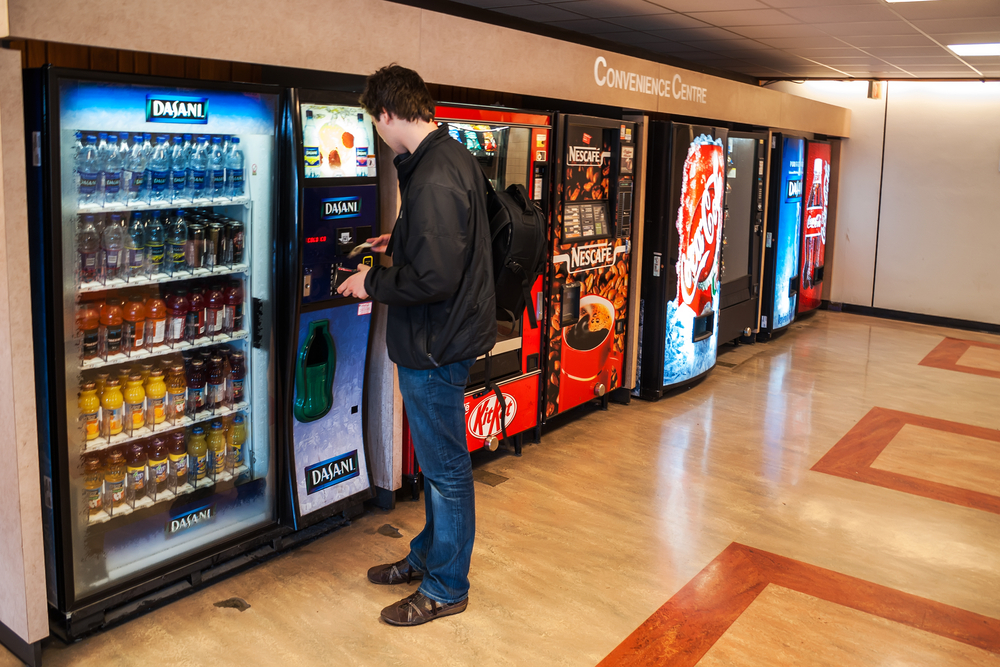
Welcome to the final installment of our six-part series on strategic vending machine placements. Over the past weeks, we’ve explored various environments from luxury apartments to manufacturing plants to understand their unique challenges and opportunities. Today, we turn our attention to community centers, often overlooked yet potentially rewarding venues for vending operations.
Recap of the Series
Before diving into community centers, let’s briefly revisit the key takeaways from our previous discussions:
- Luxury Apartment Complexes: These locations offer upscale perks and potential referral networks. However, sales can be variable due to residents’ diverse schedules and preferences.
- Hotels & Motels: While these venues can provide dependable margins, usage patterns are unpredictable, heavily influenced by guest turnover and seasonal fluctuations.
- School Teacher’s Lounges: Tight knit communities with consistent staffing make these lounges a surprising source of steady ROI and referral opportunities.
- Manufacturing Plants & Warehouses: With shift driven traffic and high consistency, these blue collar environments are a hidden gem for steady vending sales.
- Department Stores & Retail Centers: Employee breakrooms in these locations can offer consistent visibility and impulse buys, though sales volume is tied closely to store culture and employee count.

Understanding Community Centers
Community centers serve as gathering spots for various activities, including recreational programs, educational classes, and social events. Their diverse user base and fluctuating schedules present both opportunities and challenges for vending machine operators.
Pros of Placing Vending Machines in Community Centers
- Diverse Demographics: Community centers attract a wide range of age groups and backgrounds, allowing for a varied product offering that caters to different tastes and preferences.
- Event Driven Traffic: Special events, tournaments, and classes can lead to spikes in foot traffic, increasing potential sales during these periods.
- Community Engagement: Being present in a community center enhances brand visibility and fosters goodwill, potentially leading to word of mouth referrals and opportunities in other local venues.
Cons of Placing Vending Machines in Community Centers
- Inconsistent Foot Traffic: Unlike manufacturing plants with predictable shifts, community centers may experience fluctuating attendance, making sales less predictable.
- Limited Operating Hours: Community centers often have restricted hours, reducing the window for potential sales compared to 24/7 locations like hotels.
- Maintenance and Vandalism Risks: With a diverse user base, including unsupervised youth, there’s an increased risk of machine misuse or vandalism.
Evaluating Foot Traffic
Assessing the viability of a community center for vending operations involves:
- Analyzing Program Schedules: Understanding peak activity times can help in stocking the right products and scheduling maintenance.
- Engaging with Staff: Building relationships with center staff can provide insights into user demographics and preferences.
- Trial Periods: Implementing a short-term trial can gauge the center’s suitability without a long term commitment.

Product Selection Strategies
Given the varied audience, a diverse product mix is essential:
- Healthy Options: Granola bars, trail mixes, and bottled water cater to health conscious patrons.
- Kid Friendly Snacks: Fruit snacks, juice boxes, and small treats appeal to younger visitors.
- Quick Energy Boosters: Energy drinks and protein bars serve active individuals participating in sports or fitness classes.
Building Local Relationships
Success in community centers often hinges on community engagement:
- Sponsorships: Supporting local events or programs can enhance brand visibility and goodwill.
- Feedback Mechanisms: Providing avenues for patrons to suggest products can lead to increased satisfaction and sales.
- Regular Communication: Maintaining open lines with center management ensures alignment and addresses any concerns promptly.
Leveraging Business Tools
To optimize operations in community centers, consider utilizing tools from the Big City Vends Shop:
- Cold Call Script for Vending Machine Placement: Priced at $5.00, this digital download aids in effectively pitching your vending services to potential locations, including community centers.Big City Vending LLC
- Vending Machine Maintenance Log: Keeping detailed records ensures timely maintenance, reducing downtime and enhancing customer satisfaction.Big City Vending LLC
- Product Inventory Tracker: Monitoring stock levels helps in maintaining optimal inventory, ensuring popular items are always available.
Final Thoughts
Community centers present a unique opportunity for vending machine operators willing to navigate their challenges. By understanding the dynamics of these venues, engaging with the community, and leveraging the right tools, operators can tap into a market that, while variable, offers potential for meaningful engagement and steady sales.
As we conclude this series, remember that success in vending is about adaptability, understanding your environment, and continuous learning. Whether it’s a bustling manufacturing plant or a quiet community center, each location offers lessons and opportunities for growth.


