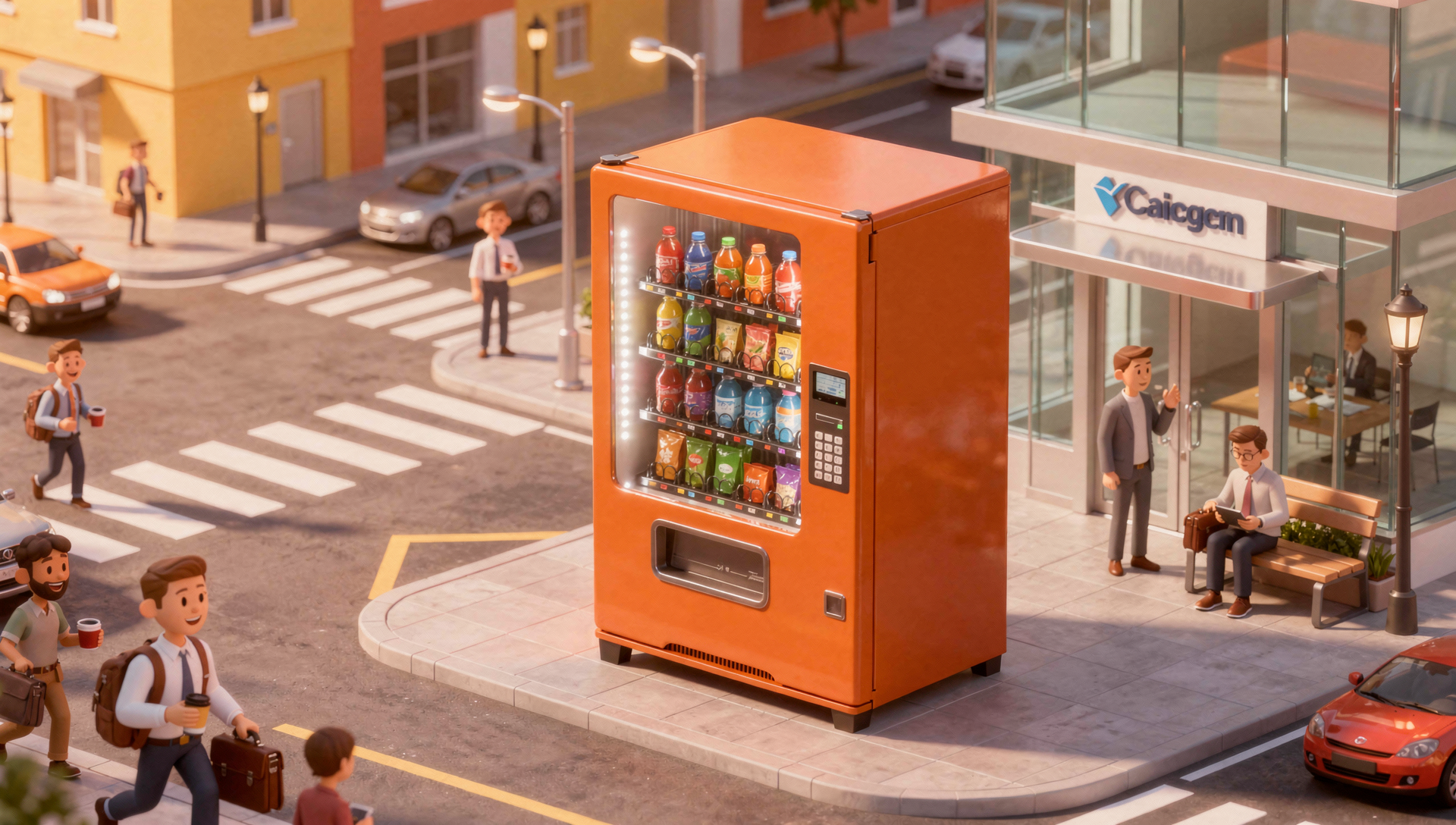
The Lie Most New Operators Are Sold
If you spend any time on YouTube, TikTok, or Facebook groups about vending machines, you will hear the same story over and over again:
“Buy the machine, place it somewhere busy, and the money will roll in.”
I believed that too when I started.
Like many new operators, I thought success came down to three things: having working machines, enough capital, and locations with lots of people. I obsessed over equipment. I compared prices. I ran numbers on snacks and drinks.
What I did not understand yet was that none of that matters if the location strategy is wrong.
And that is the part nobody really teaches.
The truth is, most vending machines do not fail because they break down or because the owner runs out of money. They fail because they are placed in locations that were never going to work in the first place.
This post is about why that happens, how to avoid it, and what actually makes vending machines profitable long-term.

High Foot Traffic vs Qualified Foot Traffic (This Is Where Most People Get It Wrong)
One of the biggest mistakes new operators make is chasing what I call raw foot traffic.
They look for places where lots of people walk by: malls, laundromats, barber shops, gyms, apartment complexes, and public buildings.
On paper, it makes sense.
More people equals more sales, right?
Not exactly.
What actually matters more than the number of people is the type of people and their buying behavior.
What Is Qualified Foot Traffic?
Qualified foot traffic means:
- People are there for long periods of time
- They have limited food options nearby
- They are not actively rushing to somewhere else
- They have predictable daily habits
In other words, they are already in a buying mindset.
Think about an employee working an eight-hour shift. They are going to take breaks. They are going to get hungry. They are not leaving the building to grab food every time.
Now compare that to someone walking through a mall or apartment hallway. They are focused on where they are going, not on grabbing a snack.
This is why employee breakrooms often outperform public spaces by a huge margin.
My Early Mistake With “Busy” Locations
One of my first machines went into what looked like a perfect spot. Tons of people passed by every day. It was near a public entrance and close to several small shops.
I was excited. I thought I had found gold.
Sales were terrible.
People walked past the machine constantly, but almost nobody stopped. They were on their phones, headed to appointments, or just passing through.
A few weeks later, I placed a machine inside a small warehouse breakroom with about 40 employees.
That machine outsold the first one within days.
Same products. Same prices. Totally different results.
That is when it finally clicked.

Why Employee Locations Usually Win
Employee-based locations are the backbone of most successful vending operations, and there are several reasons why.
1. Predictable Demand
Employees show up every day, usually at the same time, and take breaks at similar times. That creates predictable sales patterns, which makes inventory planning and service schedules easier.
2. Limited Food Access
Many workplaces are not near restaurants or convenience stores, or employees do not have time to leave. That makes vending a convenient option instead of an impulse buy.
3. Built-In Trust
When a company allows machines inside their breakroom, it signals to employees that the service is approved. That trust increases usage.
4. Lower Theft and Vandalism
Public locations are more exposed to damage and theft. Breakrooms are safer environments for machines and cashless systems.
5. Long-Term Stability
Good employee locations tend to last for years, not months, if they are serviced properly.
This is why many professional operators focus almost entirely on workplaces instead of chasing public placements.

Decision-Maker Access: The Real Gatekeeper of Profit
Another hidden reason many vending locations fail has nothing to do with customers and everything to do with who approved the machine.
If you place a machine without speaking to the real decision-maker, you are on borrowed time.
Who Is the Decision-Maker?
It could be:
- The owner
- The general manager
- The facility manager
- Corporate headquarters
What it usually is not:
- A front desk employee
- A shift supervisor
- A random staff member who said “sure, that sounds fine”
I have seen plenty of machines get removed simply because someone higher up walked in and said, “Why is that machine here?”
If the person who approved the placement does not have authority, your location is not secure.
Why This Matters in the First 90 Days
Most cancellations happen early. That is when:
- Employees start giving feedback
- Management reviews costs and complaints
- Corporate audits take place
If the right person was not involved from the start, that is when problems surface.
Which leads to the next big issue.
Why So Many Locations Cancel Within the First 90 Days
This is one of the most painful realities in vending, especially for new operators.
You work hard to place a machine. You invest in equipment, inventory, and time. Then, a few weeks later, you get the call:
“We decided to remove the machine.”
Here are the most common reasons why.
1. Expectations Were Never Set
The business did not understand:
- How often you would service
- What products would be offered
- How problems would be handled
Without clear expectations, small issues become big frustrations.
2. Complaints Were Not Addressed Quickly
Out of order signs, stuck products, or empty spirals create the impression that the service is unreliable.
Early problems kill confidence.
3. Management Was Not Fully On Board
If upper management did not approve the placement, the machine is always at risk.
4. Poor Product Fit
If the product selection does not match what employees want, usage drops fast.
Low sales make the location feel pointless to the business.
5. No Agreement in Place
Without any kind of agreement, the business can remove the machine at any time, for any reason.
That does not mean contracts have to be complicated, but some form of written understanding protects both sides.

Protecting Your Locations With Proper Onboarding
Onboarding is not just for employees. It matters for vending too.
When I place a machine now, I treat the first few weeks like a setup phase, not a drop-and-go situation.
Step 1: Confirm Decision-Maker Approval
Before placement, I make sure I have:
- A signed agreement
- Clear confirmation from management
No assumptions. No “they said it was okay.”
Step 2: Explain Service Expectations
I clearly explain:
- How often I will service
- How to report issues
- How long repairs usually take
This removes frustration later.
Step 3: Gather Product Feedback Early
Within the first two weeks, I ask:
- What is selling
- What people want
- What is missing
This builds buy-in and improves sales quickly.
Step 4: Fast Response to Problems
Early service issues are magnified in people’s minds. I treat the first 60 days as critical for reputation.
If employees see fast responses, trust is built.
How to Pitch Businesses the Right Way
Most vending pitches fail because they focus on the operator, not the business.
Businesses do not care how many machines you own. They care about:
- Their employees
- Their visitors
- Their space
What Businesses Actually Want
When I speak with managers, the real concerns are:
- Will this create complaints?
- Will it take up space?
- Will it look professional?
- Will it help our staff?
Very few care about your profits. They care about convenience and morale.
A Better Pitch Approach
Instead of saying:
“I run a vending company and I am looking to place machines.”
Try focusing on benefits:
“We provide free vending services for employees, including modern machines, regular service, and customized product selection based on what your team actually wants.”
What to Do Next (Practical Steps You Can Take This Week)
If you want to improve your results without buying more machines, start here.
1. Audit Your Current Locations
Make a simple list of every location and ask:
- Is this employee-based or public?
- Who approved this placement?
- Are sales trending up, flat, or down?
Locations with low sales and weak decision-maker relationships are the first ones to replace. Do not get emotionally attached to bad locations. They quietly drain your time and profits.
2. Talk to Management, Not Just Staff
For your existing locations, introduce yourself to the manager or owner if you have not already.
Let them know:
- You are open to feedback
- You want to improve service
- You are there to support their team
This simple step builds trust and often prevents surprise cancellations later.
3. Tighten Up Your Onboarding Process
Create a simple checklist for every new placement:
- Agreement signed
- Service schedule explained
- Contact info shared
- Product feedback scheduled
Treat onboarding like part of the service, not an afterthought. The first 30 to 60 days often determine whether a location lasts months or years.
4. Refine Your Pitch
Stop pitching machines. Start pitching employee convenience, morale, and reliable service.
Businesses do not buy vending machines. They accept solutions that make life easier for their staff and visitors.
Frequently Asked Questions About Vending Locations
Is high foot traffic ever good for vending?
Yes, but only when people are in the location for long periods of time and have limited alternatives. Examples include hospitals, manufacturing plants, distribution centers, and large call centers. Busy does not automatically mean profitable.
Are contracts really necessary?
While not legally required in all situations, written agreements dramatically reduce misunderstandings and early cancellations. Even a simple service agreement that outlines expectations can protect both sides and set clear boundaries.
How long should I give a new location before deciding if it works?
Most locations show their true potential within 60 to 90 days. That window allows time for awareness, habit building, and product adjustments. If sales are still weak after that, it is usually a location issue, not a stocking issue.
Should I remove bad locations or wait them out?
If a location has poor qualified traffic and weak management support, waiting usually does not fix it. Replacing weak locations is often the fastest way to improve overall route performance and reduce frustration.
Build Smarter, Not Harder
If you want to grow your vending business, focus on strategy before scale.
Better locations will always outperform more machines in bad locations.
At Big City Vending, we help operators:
- Secure stronger locations
- Improve retention
- Build long-term partnerships with businesses
Whether you are just getting started or trying to stabilize an existing route, learning how to place machines the right way can completely change your results.
Ready to take your location strategy seriously?
Visit our blog at www.bigcityvends.com/blog for more real-world vending business tips, or reach out to learn how our placement and consulting services can help you grow with confidence.


