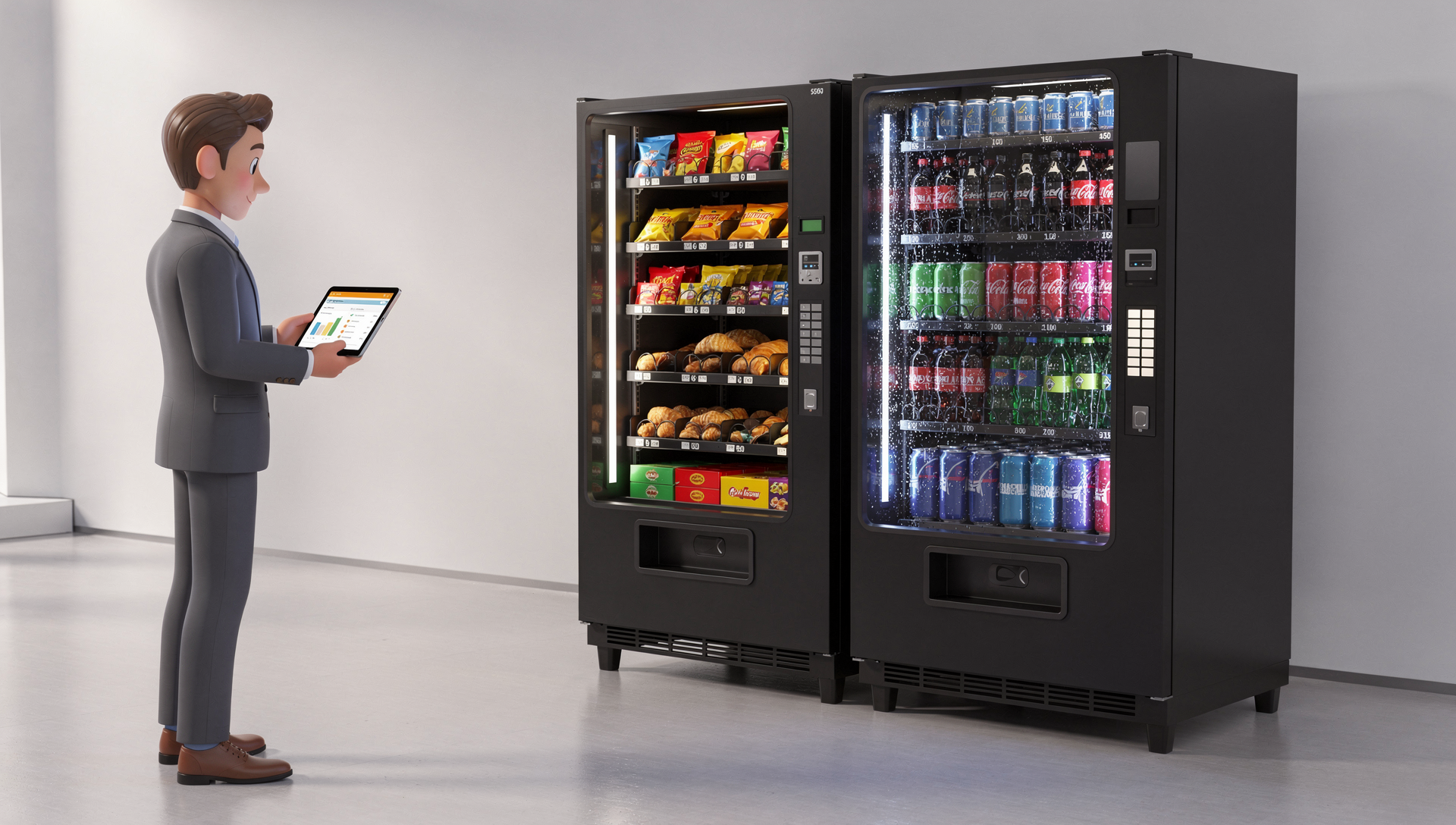
The vending machine industry remains one of the most accessible paths into entrepreneurship because machines require minimal overhead, offer flexible hours and can scale from one machine to dozens. With the right strategy, you can generate a steady, semi‑passive income stream while providing convenience to people at work, school, gyms or apartment buildings. This guide will show you the easiest way to launch your vending business, recommend the best machines for every budget (including refurbished options and AI smart coolers), and explain why securing your location first is critical. Along the way we’ll link to resources from our shop and previous blog posts that can help you succeed.
Step 1 – Build a Foundation with Training and Tools
Before investing in equipment, invest in yourself. Our Vending 101: Starting Your Vending Machine Business training module provides a step‑by‑step roadmap for beginners. It covers choosing a niche, budgeting, marketing strategies and how to secure profitable locations. It also recommends reputable machine brands like Crane, Seaga, AMS and Dixie Narco and explains why cashless card readers such as Nayax are essential.
If you already understand the basics, our Vending 102 – Stay Organized & Run Your Business Like a Pro module teaches you how to track inventory, schedule restocks and manage profits. For those struggling to find sites, the Finding Profitable Vending Locations module reveals our proven scouting system. You’ll learn how to identify high‑traffic venues, research decision‑makers and pitch with confidence.
Every new operator should also understand local regulations. The Vending Compliance – State‑by‑State Licensing & Legal Requirements guide breaks down permits and taxes for every state and helps you avoid fines. Finally, make sure your finances are separate and fundable by using our Business Credit Toolkit for Vending Entrepreneurs. This downloadable toolkit includes checklists and templates to help you establish business credit and qualify for funding.
In addition to training, we offer templates that simplify outreach. Our Cold Call Script for Vending Machine Placement includes a step‑by‑step phone script and objection‑handling rebuttals to help you confidently pitch to businesses. Once you start negotiating, use the Vending Machine Business Proposal Template and Placement Contract Template to present your offer professionally and protect your location with a written agreement. If you prefer to outsource prospecting, our Vending Machine Location Services package provides 100 professional cold calls, energetic voicemails, recorded calls and follow‑ups.
Step 2 – Set Your Budget and Choose the Right Equipment
Vending machines come in many formats, and the right choice depends on your budget, target audience and location. Below are several categories with example models and price ranges.
Low‑Budget (<$4,000): Start with Refurbished Machines
When starting on a shoestring, consider refurbished snack or drink machines. Reliable resellers like Southern Equipment Sales refurbish machines from major U.S. manufacturers – AMS, Automatic Products, Crane National, Dixie Narco, Royal and Vendo – and include warranties and lifetime technical support. For example, a refurbished Dixie Narco 276E drink machine offers seven beverage selections, multi‑price capability, rebuilt coin and bill acceptors and comes with a 90‑day parts warranty plus lifetime tech support. Priced around US$1,500, it’s perfect for testing the market without a large investment.
Used combo machines (snacks and drinks together) typically cost $2,000–$4,000 and shipping adds $300–$800. This price range allows you to experiment with a couple of machines and still have funds for product inventory and location fees. Don’t forget to budget for a Nayax VPOS Touch card reader (~$320). The VPOS Touch installs easily, accepts credit cards, mobile wallets, QR codes and NFC payments, and includes remote monitoring plus marketing tools. Studies show that cashless readers can increase sales by up to 40%, so every traditional machine should have one.
Average Budget ($4,000–$7,000): Buy New Traditional Machines
If you can spend a bit more, purchasing new machines gives you modern technology, longer warranties and better reliability. New combo machines from brands like Seaga, Crane National, AMS and Dixie Narco usually cost $4,000–$7,000. Many new models include high‑capacity snack and beverage trays, integrated credit‑card readers and remote monitoring. When comparing models, look for features like a dual‑zone refrigeration system for drinks and snacks, LED lighting to showcase products, and MDB compatibility for payment devices like Nayax readers.
High Budget (>$7,000): Invest in AI Smart Coolers
For entrepreneurs who want a high‑tech edge or premium locations, AI smart coolers such as the HaHa line deliver an elevated customer experience and robust analytics. Smart coolers are essentially glass‑front refrigerators with cameras and sensors that track what products customers remove. They unlock after customers scan a credit card or mobile wallet and automatically charge after the door closes. This technology reduces theft, enables 24/7 operation and provides real‑time inventory data.
We partner with A&M Equipment Sales, one of the few authorized HaHa retailers in the U.S. Their pricing as of April 2026 is:
| Model | Price (USD) | Key Features |
|---|---|---|
| HaHa Mini Smart Cooler | ~$3,095 | Small footprint (indoor use), AI inventory tracking, accepts credit‑card/mobile payments. |
| HaHa Pro Smart Cooler | ~$4,395 | 18.72 cu ft capacity, real‑time inventory control, accepts credit cards and mobile wallets. |
| HaHa Frozen Smart Cooler | ~$5,895 | Designed for frozen products; credit‑card reader and mobile payment support. |
| HaHa Ultra Smart Cooler | ~$6,895 | Largest capacity; AI inventory tracking, cashless payment and remote management. |
Although a HaHa Mini costs more than a basic used machine, the ability to showcase beverages or fresh foods behind glass and let customers shop unattended attracts premium locations such as high‑end apartments, hotels and corporate lobbies. Our previous blog post “Before You Buy an AI Vending Machine” explains how AI and remote monitoring improved our business by reducing wasted restock trips and convincing property managers that we use modern technology.
Considerations Beyond Price
When comparing machines, always think about location. A small office might only need a narrow snack machine, while a gym could support a combo or smart cooler stocked with protein shakes. For high‑traffic facilities like manufacturing plants or warehouses, consider multiple machines or micro‑markets. Our blog “How to Choose the Right Vending Machine for Your Cincinnati Office” discusses the pros and cons of snacks, drinks, combo units and AI smart vending.
Step 3 – Secure Your First Location Before Buying
The biggest mistake new operators make is buying equipment before securing a place to put it. According to the vending experts at VendSoft, the right location can generate 2–3× more revenue than an average one. They recommend brainstorming a wide list of potential sites, from schools and offices to gyms and apartment complexes, and understanding your target customer. A blog post from Vending.com echoes this advice: each location has unique needs, so you should talk to potential hosts first to determine what machine size and product mix will serve them.
Tips for Getting Your First Location
- Scout high‑traffic, high‑convenience venues. Start by looking at workplaces with at least 40 employees, gyms, laundromats, hotels and apartment lobbies. Make a list of businesses near you and research the decision‑maker (property manager, HR manager, etc.).
- Prepare your pitch. Use our Cold Call Script for Vending Machine Placement to craft your opening lines and objection‑handling responses. Our Finding Profitable Vending Locations training module further details how to research and approach potential sites.
- Present a professional proposal. Bring a Business Proposal Template or slide deck that outlines the benefits of vending machines: convenience for employees/residents, revenue sharing or commissions, cashless payment acceptance and customizable product mix. Show pictures of modern equipment with card readers or AI features to differentiate yourself.
- Offer a service agreement. Always secure locations with a written contract. Our blog “Why Every Vending Machine Operator Needs a Service Agreement” explains that relying on verbal agreements can lead to disputes and lost income. A service agreement defines responsibilities, commission rates and equipment ownership, and it protects premium sites like manufacturing plants, warehouses and school staff break rooms. We offer a Placement Contract Template you can customize for new locations.
- Consider outsourcing lead generation. If you prefer to focus on operations, our Vending Machine Location Services package provides 100 professional cold calls and follow‑ups on your behalf. Outsourcing can free up your time to invest in training, product sourcing and servicing machines.
By securing a location before spending thousands of dollars on equipment, you ensure that your machine will start generating revenue immediately and that you purchase the right type of machine for that site.
Step 4 – Embrace Cashless Payments and Remote Monitoring
Customers increasingly expect the convenience of paying with credit cards or mobile wallets. Nayax is one of the most popular payment systems in the vending industry because its VPOS Touch reader is plug‑and‑play, accepts cards, NFC, mobile wallets and QR codes, and offers a back‑office portal for telemetry, inventory management and marketing. Integrating a Nayax reader onto a refurbished machine or upgrading to an AI smart cooler can boost sales and provide real‑time sales data. Our training modules cover how to install and use cashless readers.
Remote monitoring is equally important. AI smart coolers and many new combo machines allow you to check inventory levels, view sales reports and receive alerts when a machine needs service. Our blog “Before You Buy an AI Vending Machine” describes how remote monitoring helps operators optimize product selection and reduce unnecessary site visits.
Conclusion
Starting a vending machine business is an achievable way to build a flexible income stream. The easiest path is to educate yourself, choose equipment that fits your budget, secure a high‑traffic location before buying machines and embrace cashless payments. Whether you begin with a refurbished Dixie Narco machine for under $2,000 or invest in a HaHa Ultra Smart Cooler, focus on providing convenience and value to your customers.
Explore our Shop for training modules, scripts and templates that will accelerate your growth, and browse our Blog for more tips. If you need step‑by‑step guidance, our post “How to Start a Vending Machine Business (Step‑by‑Step Guide for 2026)” explains the process in greater detail and shares common pitfalls. For budget‑friendly tips, read “Taking Your Tax Refund and Starting a Vending Machine Business” which highlights price ranges and mistakes to avoid. Finally, check out “How to Choose the Right Vending Machine” for a deeper comparison of machine types.


